The moment an alarm system seems, people try to find leadership. In every structure that takes safety seriously, that leadership has a name: Chief Warden. The function sits at the junction of case command, clear interaction, and sensible threat control. Get it right, and you relocate numerous individuals steadly towards safety. Get it incorrect, and an or else manageable event can spiral.
I have actually worked with security groups throughout offices, healthcare facilities, logistics sheds, and intricate campuses. The very best Chief Wardens share a handful of behaviors. They rehearse, they hand over, and they value the unpredictability of real emergencies. They also recognize the proficiencies explained in national devices such as PUAFER005 Operate as part of an emergency control organisation and PUAFER006 Lead an emergency control organisation, and they translate those expertises right into building-specific actions.
This article unpacks the tasks of a Chief Fire Warden with the lens of incident command, interaction approaches that hold up under pressure, and the functional security controls that maintain individuals active when conditions transform quickly.
What the function actually covers
A Chief Warden leads the emergency situation control organisation, or ECO, for a facility. That ECO includes floor wardens, interactions officers, first aiders, and assistance wardens who assist people with special needs or wheelchair limitations. In many offices, the Chief Warden is likewise the head of a little command group that consists of a Replacement Chief Warden, an Emergency Communications Officer at the fire indication panel, and location wardens that report from their zones.
The Chief Warden is in charge of choices concerning discharge timing and setting, sychronisation with emergency situation services, allowance of jobs to wardens, and the circulation of information between the structure and responders. That seems tidy theoretically. In practice, it entails judgment calls when information is partial and time is short.
A sensible instance. In a ten‑storey workplace with a lunchroom on level 3, an alarm isolates to a kitchen detector and the suppression system has actually released. Smoke shows up on CCTV however not in the main stair. The Chief Warden must pick between an organized emptying by areas or a complete building emptying. At the very same time, lifts are still running, and a professional in the cellar is welding with a warm job license. The right phone call depends on the strategy, the panel information, and trusted records from flooring wardens.
Incident command, not just administration
A Chief Warden is an occurrence leader till fire and rescue take over. The command version is basic: establish control, collect info, decide, connect, and verify. The PUAFER006 lead an emergency control organisation unit catches this management arc. It also stresses that command is scalable. In a small single‑storey facility, the Chief Warden might be the only warden on website at first. In a health center or circulation centre, they may have twenty wardens to deploy in waves.
Establishing control begins where information merges. In numerous structures, that is the fire indicator panel, sustained by a warden intercom or two‑way radios. The Chief Warden need to literally locate now where possible. If smoke or a threat keeps them away, the Replacement needs to step in, and the Chief Warden runs command remotely utilizing the comms network assigned in the plan.
Gathering information indicates more than listening to alarm systems. Great Principal Wardens set a rhythm. They direct wardens to perform a quick move of their area, check crucial rooms like plant spaces and labs, validate if susceptible occupants remain in location, and report up using a succinct layout. I like the basic sequence: zone, condition, activity, head count. An instance sounds like this: South wing degree 4, smoke noticeable in kitchen space, sweeping east corridor, 24 accounted for so far.
Decide and connect are inseparable. In fire events, the default prejudice is to evacuate early, however organized evacuations can safeguard owners from smoke movement while keeping staircases clear for those closest to risk. This is where training, drills, and building design expertise matter. A Chief Warden that understands the smoke control strategy and the differentiation between alarm and sharp signals can securely series a presented activity. The wrong call can push individuals into a smoke layer or overfill a stair.
Verification is the last loop. If you get a discharge of levels 3 to 5 initially, you require a confirmation that those floorings are clear and the travel course is safe. That confirmation originates from wardens reporting clear areas and from on‑the‑ground detects: air high quality, warm, and the stability of the departure path.
Communication that works under stress
The calmness, neutral tone of a Chief Warden travels further than any private guideline. Individuals mimic the power they hear. If the voice on the is composed, directions land.
In most facilities, the Chief Warden makes use of a mix of the general public address system, warden intercom phones, and UHF or digital radios. Radios require technique. Maintain transmissions short, prevent overlap, and safeguard priority for urgent web traffic. Tailored phone call indicators aid, even in little groups. Instead of names, make use of functions and areas: Chief, Deputy, Red 2 North, Comms.
Public address messages need to be prepared, rehearsed, and kept within simple language. Time stamps help, specifically in long occasions. An instance for an alert tone activation: Interest please. This is the Chief Warden. At 10:42 we have an alarm in the level 3 kitchen area. Wardens on levels 2 via 4 commence area checks and record. All other passengers, wait for instructions.
For evacuation news, the keywords are area, activity, and path. If a primary exit is jeopardized, name the different very early. Every added sentence includes complication. This is one area where PUAFER005 operate as part of an emergency control organisation hammers home the skill of concise, exact communication from every warden, not only the Chief.
Radio decorum issues when smoke and sirens elevate anxiety. I constantly installed 2 rules in warden training. Initially, recognize receipt of a task so the Chief Warden understands it landed. Second, when reporting a threat, state the sensible repercussion, not simply the observation. Instead of Door on stair 1 is warm, claim Stair 1 is unsafe, leaving using Stairway 2 west.
Safety decisions with genuine consequences
Evacuation is not the only safety tool. Shelter in position, compartmentalisation, partial evacuations, and horizontal relocations all have their location. The option depends upon the danger: fire, smoke, chemical spill, violence, or outside risk like a toxic plume or civil disturbance.
In fire occasions, the common rule is to relocate people far from warm and smoke, then out of the structure if safe paths exist. In facilities with high‑rise attributes, vertical movement can be a danger itself. Stairways come to be chokepoints, and a solitary fallen down person can obstruct a touchdown. The Chief Warden have to consider evacuation speed versus stairwell load. Where pressurised stairways exist, prioritise those. If a stair is great smoky, think about delaying low‑risk floors for clearing the afflicted degrees and above, after that re‑assessing.
In health care and aged care, straight emptying via fire areas is usually much safer and faster than upright emptying. This needs pre‑planning, personnel numbers, and equipment like emptying sleds. A Chief Warden in these setups requires a deep grasp of the fire matrix and a tight link with scientific leadership.
Electrical or plant area incidents bring different risks. You might have online power, arc flash danger, or gases. In these cases, contact with centers management is essential. A Chief Warden must recognize exactly that commands to separate systems and just how to validate that a seclusion has taken place. If your structure relies on a BMS to close down air taking care of units in alarm, validate the status, not simply the command.
Building the ECO: roles, colours, and competence
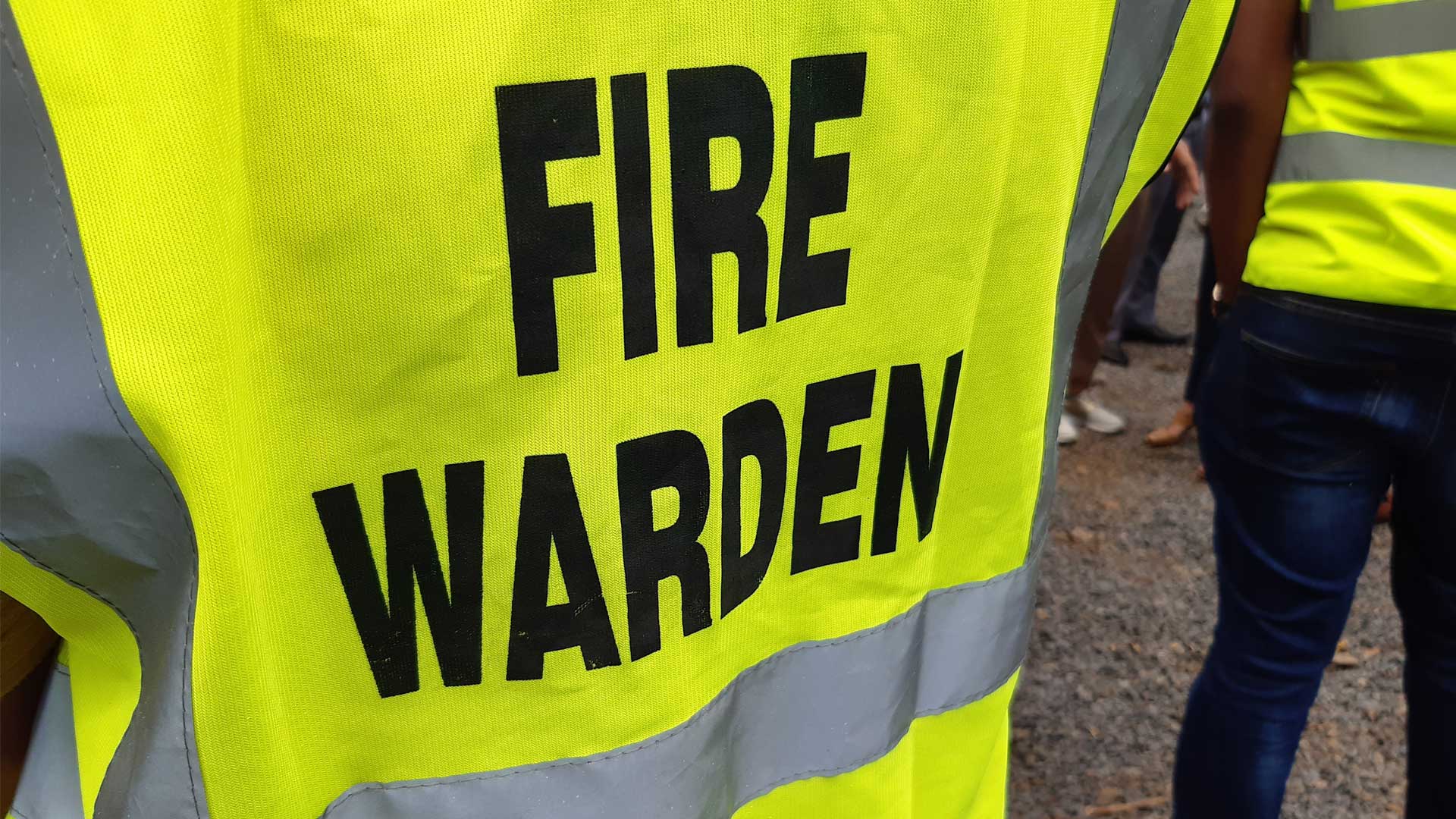
Colours matter because exposure puncture noise. In numerous Australian offices, Chief Warden hats or helmets are white, and wardens put on red. Communications police officers commonly use blue, and first aiders make use of environment-friendly. The chief warden hat colour and chief fire warden hat colour convention across Australia leans white, which answers the constant inquiry, what colour helmet does a chief warden wear. Inspect your local standard or firm policy, as some markets fine‑tune colours for extra roles.
Beyond colours, competence carries the day. Fire warden training and chief warden training should be regular, scenario‑based, and grounded in the structure's details threats. The puafer005 course prepares wardens to run as component of an emergency situation control organisation: sweeping, communicating, assisting discharge, and reporting. The puafer006 course constructs the leadership muscle mass to lead an emergency situation control organisation: decision production, interaction technique, and sychronisation with responders.
I have seen the distinction a confident ECO makes. In a logistics facility, a forklift battery fire put heavy smoke with a third of the storage facility within two mins. The Chief Warden quickly split the emptying, maintained the south egress clear for a spill kit team, and had a floor warden meet the initial fire staff at the A‑side roller door with a reveal and MSDS printouts. The structure re‑opened within hours due to the fact that the ECO consisted of the chaos.
The duty cycle before, throughout, and after an incident
Duties change throughout the lifecycle. Prior to an event, the Chief Warden owns readiness: staffing the ECO, leading drills, reviewing the emergency https://rentry.co/tngwhkz7 strategy, and examining equipment like warden intercom phones, radios, and discharge chairs. Throughout an event, the focus narrows to command and interaction. Later, the duty increases to debrief, documents, and rehabilitative actions.
Readiness starts with genuine numbers. The amount of individuals occupy each flooring at peak? What portion have never gone to a drill? Are change patterns leaving spaces in wardens on evenings or weekends? Do you have a plan for service providers, clients, and site visitors, that frequently account for 10 to 30 percent of individuals on website? A Chief Warden needs a lineup that covers these truths, not an idealised normal.
Fire warden needs in the office frequently consist of a minimum proportion, as an example one warden per 20 personnel in open offices, or one per compartment in health care. Ratios are a beginning point. The better test is protection by place and function. Can somebody reach every staircase door quickly? Is there a warden who understands how to leave the lab? That has the day care facility action if you have one? When I audit a site, I map warden coverage by time of day and activity, not simply headcount.
During the case, the Chief Warden maintains the moment line in view. Notes matter. An affordable clipboard at the panel with a one‑page incident log template functions. Tape time of alarm system, orders offered, zones got rid of, service arrival, any kind of diversions from plan, and the moment you proclaimed all clear. Those notes come to be gold in the debrief and in regulatory reporting.
After the incident, the debrief is your bar for renovation. Keep it short and structured. Focus on what was observed, what was determined, and what outcomes complied with. If interaction failed on the north staircase as a result of radio dead areas, examination and repair. If a brand-new occupant changed the furniture strategy and obstructed a warden sight line, change paths and upgrade the plan.
Training that lands when the alarm sounds
Effective warden training draws a straight line from competencies to the building. The puafer005 operate as part of an emergency control organisation content covers alarms and alerting systems, discharge principles, and warden responsibilities. It should attach to your actual panel, your system, and your evacuation maps. Wardens need to exercise voice messages, not just check out them.

The puafer006 lead an emergency control organisation web content adds scenario management, liaison with emergency situation solutions, and the control of wardens. Here, table‑top exercises radiate. Put the Chief Warden at a mock panel. Replicate records from wardens over the radio. Include an unaccounted individual or a blocked stairway, then force a choice. 5 differed situations will educate greater than a lengthy lecture.
Fire warden training demands differ by sector, yet 2 principles apply across the board. Train at induction and revitalize at least every year, with extra drills after significant fit‑outs or system modifications. Turn situations. Discharges are not constantly fire. Attempt a chemical spill on a loading dock, a lift entrapment with smoke in the shaft, or a partial power failing on a summer mid-day. Exercise the handover to emergency situation services, including a concise briefing: location, sort of event, activities taken, standing of passengers, and any type of threats such as gas, batteries, or combustibles.
Equipment and facilities the Chief Warden need to know
A Chief Warden must be proficient in the structure's protective features. That includes the fire sign panel layout, detector and sprinkler zones, the cause‑and‑effect matrix for alarm system, alert, and reductions, staircase pressurisation fans, smoke exhaust, and the interface with heating and cooling. In some centers, shutting down air handling in an area avoids smoke spread. In others, it is handled instantly. Know which uses prior to the alarm system, not during.
Exits need evaluation. Doors need to self‑close and lock, seals need to not be harmed, and nobody needs to have propped them open with wedges or bins. In high‑traffic areas, this happens weekly. Wardens are commonly the eyes that find and take care of these concerns. The Chief Warden sets the evaluation routine and holds managers to it.
Communication gear deserves its very own checks. Radios should be billed and saved in a recognized area, preferably in a grab bag at reception or the panel. Extra batteries matter in long events. Check the warden intercom monthly, floor by floor. Maintain printed floor plans with marked departures and hydrants beside the panel. If your command factor sheds power, you still need a map.
Common rubbing points and just how to take care of them
Real emergencies subject little oversights. I typically find three repeating rubbing points.
First, unpredictability concerning authority. New Chief Wardens sometimes hesitate to give firm orders because they do not intend to disrupt organization. The emergency situation plan must state plainly that the Chief Warden has authority to direct discharge and control movement in an emergency situation. Senior managers must support this in public so no one undermines the command when it counts.
Second, professionals and site visitors. Accessibility systems and sign‑in applications generate checklists, but those lists are seldom all set when the alarm appears. The repair is procedural. Function or the contractor supervisor becomes a reporting node in the ECO, with an easy role: bring the site visitor log or the gadget with the checklist to the assembly point and check off well-known site visitors with the support of floor wardens. In high‑risk facilities, problem visitor badges with zone codes and a brief emptying guideline published on the back.
Third, flexibility support. Every building has people that can not take staircases easily, whether permanently or simply today due to an injury. The Chief Warden should preserve a personal movement assistance plan with alternates for every person. Setting up locations on each level near stairways, called refuges in some layouts, need to be useful, safeguarded, and known. Evacuation chairs audio fire warden requirements in the workplace great in policy, however they require genuine technique. Schedule it, and revolve staff.
Working with emergency services
A polished handover conserves time. When fire staffs arrive, the Chief Warden should meet the policeman in charge at the panel or marked entrance, wearing the chief warden hat or vest for immediate acknowledgment. Offer a 30‑second brief: developing name and address, nature of the event, area by zone and level, what systems have actually turned on, actions taken, condition of emptying, and any kind of unaccounted individuals or special threats like oxygen shops, lithium batteries, or gas. Then go back and address concerns. Maintain your radio traffic clear so you can pass on demands from the staffs to wardens, such as confirming a location or disabling a device.
After the event, some territories require a composed record, particularly when a dud entailed brigade presence. Your event log, alarm history hard copy, and warden reports will certainly create the foundation of that documentation. Utilize them to fine-tune the plan and to validate modifications in training or equipment.
The human side of a high‑stakes role
Chief Warden is not a ceremonial title. In difficult moments, you will certainly choose that affect the safety of associates, customers, and visitors. It assists to make use of routines to constant yourself. I maintain 3 anchors.
First, breathe before you speak on the PA. One calm breath collections your tone. Second, repeat back important information on the radio so the sender knows you heard it correctly. Third, think of the structure as you determine. If you know your stairways, your compartments, and your individuals, the right direction comes to be clearer.
You will certainly likewise really feel the pressure to confirm rate or strength. Do not measure efficiency by just how rapidly every person hits the path. Measure it by whether the motion matched the danger, whether susceptible individuals were sustained, whether interaction landed, and whether the handover to emergency situation services was smooth.
Choosing and establishing your ECO
Selecting wardens demands greater than a lineup workout. The most effective prospects are those with focus to information, calm characters, and a readiness to practice. Change insurance coverage matters as much as headcount. If your building runs over lengthy hours, purchase extra wardens for mornings and evenings, and think about stipends or rostered time for training. For sites with several tenants, form a building‑wide ECO that brings renter wardens under a common Chief Warden framework for typical areas.
Chief warden requirements differ, however a solid baseline includes completion of a chief warden course aligned to puafer006, familiarity with your emergency strategy, demonstrated radio and ability, and engagement in at the very least two drills per year as lead. For new Chief Wardens, stalking the current lead with drills and table‑tops constructs self-confidence prior to their initial real-time event.
Where official training meets lived practice
Most territories identify the PUAFER units as an organized pathway. But badges alone will certainly not move people down the stairway. The bridge between the puafer005 course and the puafer006 course and day‑to‑day ability is intentional practice in your building.
If you are implementing a fire warden course program, blend theory with building walks, panel time, and map reading. For an emergency warden course concentrated on non‑fire cases, consist of situations like gas leaks, terrible trespassers, or exterior risks needing sanctuary in place. Emergency warden training need to align with the details dangers of your procedures, whether that is an R&D lab, a retail facility, a storehouse with high‑bay storage space, or a school.
I like short, frequent drills over rare, elaborate ones. 10 minutes every two months beats one grand drill a year. Surprise them throughout times and contexts. Draw the alarm system at shift change once. Exercise a silent drill where only wardens relocate and report. Run a complete emptying on a stormy day, since that is when individuals resist and lessons stick.
A concise recommendation for the Chief Warden
- Core command cycle: develop control, gather details, choose, interact, verify. Communication anchors: clear phone call indications, short transmissions, messages with area, activity, and route. Safety options: complete or organized emptying, straight moving, or shelter in position, based upon risk and structure design. People emphasis: wheelchair support strategies, visitors and professionals made up, tested setting up areas. Continuous enhancement: occurrence logs, structured debriefs, targeted solutions to comms, paths, and training.
Final thoughts from the field
When smoke impends, people listen to the clearest voice. A Chief Fire Warden gains that interest by preparing relentlessly, rehearsing choices, and building a team that can implement under pressure. The title carries specific obligations, from incident command to interaction and safety and security management, and the skills are teachable with warden training secured in PUAFER005 and PUAFER006. The art sits in applying those skills to the realities of your structure, your individuals, and your risks.

Whether you wear the white chief warden hat in a tiny office or coordinate a big ECO throughout numerous towers, the core stays the very same. Know your strategy, recognize your structure, recognize your team. Then, when the alarm system sounds, do the easy things well and in the ideal order. That is just how you transform a poor moment right into a risk-free outcome.
Take your leadership in workplace safety to the next level with the nationally recognised PUAFER006 Chief Warden Training. Designed for Chief and Deputy Fire Wardens, this face-to-face 3-hour course teaches critical skills: coordinating evacuations, leading a warden team, making decisions under pressure, and liaising with emergency services. Course cost is generally AUD $130 per person for public sessions. Held in multiple locations including Brisbane CBD (Queen Street), North Hobart, Adelaide, and more across Queensland such as Gold Coast, Sunshine Coast, Toowoomba, Cairns, Ipswich, Logan, Chermside, etc.
If you’ve been appointed as a Chief or Deputy Fire Warden at your workplace, the PUAFER006 – Chief Warden Training is designed to give you the confidence and skills to take charge when it matters most. This nationally accredited course goes beyond the basics of emergency response, teaching you how to coordinate evacuations, lead and direct your warden team, make quick decisions under pressure, and effectively communicate with emergency services. Delivered face-to-face in just 3 hours, the training is practical, engaging, and focused on real-world workplace scenarios. You’ll walk away knowing exactly what to do when an emergency unfolds—and you’ll receive your certificate the same day you complete the course. With training available across Australia—including Brisbane CBD (Queen Street), North Hobart, Adelaide, Gold Coast, Sunshine Coast, Toowoomba, Cairns, Ipswich, Logan, Chermside and more—it’s easy to find a location near you. At just $130 per person, this course is an affordable way to make sure your workplace is compliant with safety requirements while also giving you peace of mind that you can step up and lead when it counts.